I am making a list for a collection of discontinued cents in a coin wallet. I have a small partial list so far, but if anyone can add to it that would be helpful and include the year the coin was discontinued. If you know of higher denominations that have been discontinued, please add that too. Thanks...
Total number of countries: 21. This is the list I have so far, from earliest to latest:
1 ore from Sweden, discontinued 30 June 1972; the 5 and 25 öre coin, discontinued 30 June 1985; the 10 öre, discontinued 30 September 1992; the 50 öre was discontinued 30 September 2010. (complete list courtesy of Azhnak2)
1 and 2 øre from Denmark, discontinued 1 April 1973; 5 and 10 øre, discontinued 1 July 1989; 25 øre was discontinued 1 of October 2008. (courtesy of Aznak2)
Centavo from Mexico, discontinued in 1973. (need more information)
1 and 2 øre from Norway, discontinued 1 January 1975; 5 and 25 øre, discontinued 1 January 1985; 10 øre, discontinued 23 January 1993 ; 50 øre was discontinued 1 of May 2012. (complete list courtesy of Azhnak2)
Penni from Finland, discontinued in 1979. (courtesy of kolikko99)
Centime from France, de facto discontinued in 1980, only minted for coin sets up to 2001, when the franc was discontinued in favor of the euro coinage. (courtesy of Chomp-master)
The guilder cent from The Netherlands, discontinued in 1980. The adoption of the Euro in 2001 again reintroduced the (euro) cent, just to be discontinued in 2004 again. The Euro cent is now only struck in limiting quantities for collectors. (courtesy of ArnoV)
One and two cents from New Zealand, both were discontinued in 1989; and the 5 cent coin in 2006.
One-agora from Israel, discontinued in 1991, and the five-agorot coin in 2008.
Cent and two cents from Australia, discontinued in 1992.
Centavo from Argentina, discontinued in 2000.
Cent from Singapore, discontinued since April 2002.
10 haléřů and 20 haléřů from the Czech Republic, both withdrawn on 31.10.2003; and 50 haléřů, withdrawn on 31.08.2008. The Czech Republic never had a 1 haléř. Lowest denomination is 1 koruna since then. (courtesy of Chomp-master)
Centavo from Brazil, discontinued in 2005. (courtesy of www.cba.ca)
one-centime from Switzerland, discontinued in 2006; the two-centime coin lost its legal tender status in 1978. (Source: Department of Canada)
One and two Toea coins from Papua New Guinea, discontinued in April 2007.
One and two forint coins from Hungary, discontinued on 1 March 2008. (Source: Wikipedia/penny_debate_in_the_united_states)
1 Sen from Malaysia, discontinued in 2009. (courtesy of JustforFun)
Centimo from Venezuela, discontinued in 2009. (Courtesy of JustforFun)
Cent from Canada, discontinued in May, 2012.
Cent from Barbados, discontinued 7 May, 2014. (Courtesy of Central Bank of Barbados)
1 and 2 cents from The Eastern Caribbean States, discontinued 1 July, 2015.
(Courtesy of The Antigua Observer). The Eastern Caribbean Central Bank [ECCB] serves 8 of the 10 members of The Organization of Eastern Caribbean States (that is, these 8 members use the Eastern Caribbean dollar of the ECCB while the the other two members use the euro and the U.S. dollar.) The states affected are Antigua and Barbuda, Dominica, Grenada, Montserrat, Saint Kitts and Nevis, Saint Lucia, Saint Vincent and the Grenadines, and Anguilla. The ECCB said it would be saving about 15 million of dollars annually when it phases out the one and two cent pieces — as of July 1, 2015 — within the eight countries it serves. The total population of these countries adds up to about 633,000 people.
(Wow, this list is getting long. Sweden and Norway are really leading the way in getting rid of lower denominated coinage.)
Discontinued cents: need help
31 αναρτήσεις
Απάντηση
Φόρουμ
»
- Free discussion
- Coin information and questions
- Coin identifications and valuations
- Coin swaps
- Numista coin catalogue
- Banknote information and questions
- Banknote identifications and valuations
- Banknote swaps
- Numista banknote catalogue
- Exonumia information and questions
- Exonumia identifications and valuations
- Exonumia swaps
- Numista exonumia catalogue
- Numista website
- Most Popular Coin Contest
» Γρήγορη πρόσβαση στην τελευταία ανάρτηση
Αναρτήθηκε:
#
Finnish 1 penni coins were discontinued in 1979.
Αναρτήθηκε:
#
Thanks, I'll add Finland, and I forgot Canada. I have a 2012 Canada cent in my collection, and I may have a 1979 penni. (yes, thanks, I had a 1979 penni, but I had a 1978 penni in my collection. So I switched them.)

Αναρτήθηκε:
#
Centime from France, de facto discontinued in 1980, only minted for coin sets up to 2001, when the franc was discontinued in favor of the euro coinage.
PS: there were starter kits and rolls in Finland for these coins, right?
PS: there were starter kits and rolls in Finland for these coins, right?
Administrateur du catalogue, référent de nombreuses nations antiques et de la Lorraine.
Catalogue administrator, numerous Antique nations and Lorraine referee.
Catalogue administrator, numerous Antique nations and Lorraine referee.
Αναρτήθηκε:
#
The oldest Cent was minted in 1793 in the USA. The French minted the first Centime in 1797. The French discontinued the first Centime of the old Franc in 1920.
Αναρτήθηκε:
#
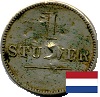
Απόσπασμα: frncsbrennanEuro cent from Netherlands, this cent was discontinued in 2004 and is now struck in limiting quantities for collectors.The guilder cent was discontinued in 1980.
The adoption of the Euro in 2001 again reintroduced the (euro) cent, just to be discontinued in 2004 again.
Αναρτήθηκε:
#
Απόσπασμα: jokinenThe French discontinued the first Centime of the old Franc in 1920.Not only them in the same period but most of the LMU countries... Just need to find when exactly for each.
Administrateur du catalogue, référent de nombreuses nations antiques et de la Lorraine.
Catalogue administrator, numerous Antique nations and Lorraine referee.
Catalogue administrator, numerous Antique nations and Lorraine referee.
Αναρτήθηκε:
#
Απόσπασμα: chomp-masterWorld War I marked the end of sound currency for most places in the world. Only the Swiss continued the LMU standard but most others devalued by 80% or more. This discontinued the 1/100 subunit for Belgium, Italy, Spain, Serbia (Yugoslavia), Romania, Bulgaria and Greece. Germany, Austria and Hungary suffered from so much inflation that they introduced new currencies.Απόσπασμα: jokinenThe French discontinued the first Centime of the old Franc in 1920.Not only them in the same period but most of the LMU countries... Just need to find when exactly for each.
Αναρτήθηκε:
#
Not to get to far off topic, but I never heard of the LMU so I looked it up. The LMU has been called the grandfather of the Euro.
"The Latin Monetary Union (LMU) was a 19th-century attempt to unify several European currencies into a single currency that could be used in all the member states. It was established in 1865 when Italy, France, Switzerland, Belgium and Greece created The Latin Monetary Union.
The gold and silver coins of these countries had same weight, diameter and precious metal content and could freely circulate within the other State members just like the
Euro. It was disbanded in 1927. Many countries minted coins according to the LMU standard even though they did not formally accede to the LMU treaty."
Now back to the cents.
"The Latin Monetary Union (LMU) was a 19th-century attempt to unify several European currencies into a single currency that could be used in all the member states. It was established in 1865 when Italy, France, Switzerland, Belgium and Greece created The Latin Monetary Union.
The gold and silver coins of these countries had same weight, diameter and precious metal content and could freely circulate within the other State members just like the
Euro. It was disbanded in 1927. Many countries minted coins according to the LMU standard even though they did not formally accede to the LMU treaty."
Now back to the cents.
Αναρτήθηκε:
#
Funny thing is that Greece was expelled from the LMU after secretly lowering silver and gold content. L'histoire se repète.
Similar to the Euro lack of fiscal union caused the demise. I don't think the Euro will hold another 10 years. Draghi will aim to devalue far more than the Germans and their allies will tolerate and then the Germans will start issuing the DutchMark with their seaside brothers. Perhaps the Austrians and Danish would join too. Not sure if Finland could risk a 20% currency appreciation though so they might just return to Markka or try to join a nordic union if that would ever have a chance of survival.
Back to cents, it is basically a French invention that came with the metric system. However, the Americans were the first to use them.
Similar to the Euro lack of fiscal union caused the demise. I don't think the Euro will hold another 10 years. Draghi will aim to devalue far more than the Germans and their allies will tolerate and then the Germans will start issuing the DutchMark with their seaside brothers. Perhaps the Austrians and Danish would join too. Not sure if Finland could risk a 20% currency appreciation though so they might just return to Markka or try to join a nordic union if that would ever have a chance of survival.
Back to cents, it is basically a French invention that came with the metric system. However, the Americans were the first to use them.
Αναρτήθηκε:
#
Yes, I just read that earlier by chance, centime and/or centavo and other variations basically just mean 1/100th.
By the way, the U.S.A. was on roll getting rid of small coins-back in the 19th century . The 1/2 cent was discontinued in 1857; the 2 cent coin was done away with in 1873. We got rid of 3 cent and twenty five coins in the 19th century. We haven't done much since, though.
By the way, the U.S.A. was on roll getting rid of small coins-back in the 19th century
. The 1/2 cent was discontinued in 1857; the 2 cent coin was done away with in 1873. We got rid of 3 cent and twenty five coins in the 19th century. We haven't done much since, though.
Αναρτήθηκε:
#
Απόσπασμα: jokinenBack to cents, it is basically a French invention that came with the metric system. However, the Americans were the first to use them.Good to know the background and origin of the cent or centime. I guess the the origin of the term penny originated from the British LSD monetary system.

Αναρτήθηκε:
#
I have heard that the world's first decimal currency was not the French franc but the Russian ruble: https://en.numista.com/catalogue/pieces26898.html
Αναρτήθηκε:
#
Malaysia 1 Sen is also discontinued or "Demonetized" they only mint from 5 sen and above...
Venezuela 1 Cent was also demonetized, currently they are not minting any more coins since it is expected a huge devaluation once they lift the exchange restrictions...
I have both available in case you are interested in them.
Cheers
Venezuela 1 Cent was also demonetized, currently they are not minting any more coins since it is expected a huge devaluation once they lift the exchange restrictions...
I have both available in case you are interested in them.
Cheers
JustforFun...
Αναρτήθηκε:
#
Απόσπασμα: nalaberongI have heard that the world's first decimal currency was not the French franc but the Russian ruble: https://en.numista.com/catalogue/pieces26898.htmlWow, those Russians! Ahead of their time.
Αναρτήθηκε:
#
Last japanese 1 sen coin was minted in 1945 but that was due to heavy inflation after the war.

Αναρτήθηκε:
#
Is it Zambia that stop all coins, or the Zambarwa (sorry misspelled that one )?
It is, what it is, or is it.
Αναρτήθηκε:
#
Zimbabwe has discontinued all currency and they use us dollar as official currency.
Αναρτήθηκε:
#
Your info about the Swedish öre is not quite correct.
1971 was the last year they minted 1 and 2 öre but it wasn't until 30 June 1972 they become discontinued.
The 5 and 25 öre coin was discontinued the 30 June 1985.
The 10 öre was discontinued the 30 september 1992.
And finally the 50 öre was discontinued 30 september 2010.
http://www.riksbank.se/en/Notes--coins/Coins/Invalid-coins/
1971 was the last year they minted 1 and 2 öre but it wasn't until 30 June 1972 they become discontinued.
The 5 and 25 öre coin was discontinued the 30 June 1985.
The 10 öre was discontinued the 30 september 1992.
And finally the 50 öre was discontinued 30 september 2010.
http://www.riksbank.se/en/Notes--coins/Coins/Invalid-coins/
Αναρτήθηκε:
#
Noticed as well that you don't mention the 50 øre from Norway that was discontinued the 1 May 2012.
http://www.norges-bank.no/en/notes-and-coins/Coins/50-ore-coin-1996-2011/
http://www.norges-bank.no/en/notes-and-coins/Coins/50-ore-coin-1996-2011/
Αναρτήθηκε:
#
It looks like your list over the coins from Norway also points to the last year of minting, if that is what you are referring to with discontinued then don't pay any attention to my posts.
Otherwise here is the complete list from Norway.
1 and 2 øre was discontinued 1 of January 1975.
5 and 25 øre was discontinued 1 of January 1985.
10 øre was discontinued 23 of January 1993.
50 øre was discontinued 1 of May 2012
http://www.norges-bank.no/Sedler-og-mynter/Mynter/Myntar-1957-1991/
Otherwise here is the complete list from Norway.
1 and 2 øre was discontinued 1 of January 1975.
5 and 25 øre was discontinued 1 of January 1985.
10 øre was discontinued 23 of January 1993.
50 øre was discontinued 1 of May 2012
http://www.norges-bank.no/Sedler-og-mynter/Mynter/Myntar-1957-1991/
Αναρτήθηκε:
#
Απόσπασμα: Azhnak2It looks like your list over the coins from Norway also points to the last year of minting, if that is what you are referring to with discontinued then don't pay any attention to my posts.Thanks, Azhnak2, I appreciate your input. That's why I posted here, so I could get information from collectors in each country to get all the details right and have a comprehensive list to work from. I didn't realize how many countries are moving away from minor coinage. It looks like Europe will be cashless long before the United States.
Otherwise here is the complete list from Norway.
1 and 2 øre was discontinued 1 of January 1975.
5 and 25 øre was discontinued 1 of January 1985.
10 øre was discontinued 23 of January 1993.
50 øre was discontinued 1 of May 2012
http://www.norges-bank.no/Sedler-og-mynter/Mynter/Myntar-1957-1991/
Αναρτήθηκε:
#
Just to follow up on an earlier post: the origin of the British term penny comes from the German Pfennig. I thought it was from pennyweight. Technically, the American unit coin is properly called the cent, and is not a really a penny per se.
But penny just sounds better I suppose. You wouldn't say cents from heaven, or cent-pincher, or cent loafers. It just doesn't sound right
But penny just sounds better I suppose. You wouldn't say cents from heaven, or cent-pincher, or cent loafers. It just doesn't sound right
Αναρτήθηκε:
#
I always liked Penni better than Sentti...
Αναρτήθηκε:
#
After some searching if finally found the Danish dates.
1 and 2 øre was discontinued 1 of April 1973
5 and 10 øre was discontinued 1 of July 1989
25 øre was discontinued 1 of October 2008
http://www.schouwebcoins.dk/
1 and 2 øre was discontinued 1 of April 1973
5 and 10 øre was discontinued 1 of July 1989
25 øre was discontinued 1 of October 2008
http://www.schouwebcoins.dk/
Αναρτήθηκε:
#
Απόσπασμα: Azhnak2After some searching if finally found the Danish dates.Thanks, Azhnak. I appreciate your help.
1 and 2 øre was discontinued 1 of April 1973
5 and 10 øre was discontinued 1 of July 1989
25 øre was discontinued 1 of October 2008
http://www.schouwebcoins.dk/
Αναρτήθηκε:
#
Some data from Czech Republic maybe...
There were no 1 haléř coin, but 10 haléřů, 20 haléřů (both withdrawn on 31.10.2003) and 50 haléřů (withdrawn on 31.08.2008). Lowest denomination is 1 koruna since then.
There were no 1 haléř coin, but 10 haléřů, 20 haléřů (both withdrawn on 31.10.2003) and 50 haléřů (withdrawn on 31.08.2008). Lowest denomination is 1 koruna since then.
Administrateur du catalogue, référent de nombreuses nations antiques et de la Lorraine.
Catalogue administrator, numerous Antique nations and Lorraine referee.
Catalogue administrator, numerous Antique nations and Lorraine referee.
Αναρτήθηκε:
#
After some searching I finally found the Danish dates.
1 and 2 øre was discontinued 1 of April 1973
5 and 10 øre was discontinued 1 of July 1989
25 øre was discontinued 1 of October 2008
http://www.schouwebcoins.dk/
1 and 2 øre was discontinued 1 of April 1973
5 and 10 øre was discontinued 1 of July 1989
25 øre was discontinued 1 of October 2008
http://www.schouwebcoins.dk/
Αναρτήθηκε:
#
That brings the list up to 19 countries...
Αναρτήθηκε:
#
Απόσπασμα: frncsbrennanThe Czech Republic never had a 1 haleru.In Czech language haléřů is a plural word. Please write 1 haléř, its singular version, instead.
Administrateur du catalogue, référent de nombreuses nations antiques et de la Lorraine.
Catalogue administrator, numerous Antique nations and Lorraine referee.
Catalogue administrator, numerous Antique nations and Lorraine referee.
Αναρτήθηκε:
#
Απόσπασμα: chomp-masterΑπόσπασμα: frncsbrennanThe Czech Republic never had a 1 haleru.In Czech language haléřů is a plural word. Please write 1 haléř, its singular version, instead.
 Done. Thanks, Chomp-master...
 Η ζώνη ώρας που χρησιμοποιείται είναι η UTC+2:00.
Η ώρα είναι 10:55.